DON'T MISS
Enjoy Free Shipping on All Orders That Exceed 50$! Shop now to take advantage of this exciting offer!
In this beginner’s guide, titled “A Beginner’s Guide of Crystals” we will embark on an enchanting journey into the world of crystals. These precious gems formed deep within the Earth’s core over millions of years,
Crystals, those captivating marvels of nature, have intrigued humans for centuries. Whether admired for their stunning beauty or studied for their unique properties, crystals have left an indelible mark across various cultures.
Our journey into the world of crystals is a simple exploration of the science and wonder behind these sparkling treasures.
Whether you’re a curious newcomer or a casual admirer, join us in demystifying the captivating world of crystals.
In this guide, we’ll break down complex concepts into easy-to-understand bits, offering you a crystal-clear understanding of these fascinating geological wonders.
So, get ready to delve into the allure of crystals—a journey where each crystal tells a story of its own, waiting to be discovered. Welcome to the enchanting world of crystals, where science and beauty collide in a display of nature’s brilliance.
Crystals are those captivating gems, like nature’s puzzle pieces, forming a solid material with a unique structure. But what exactly makes a crystal a crystal?
At its core, a crystal is a solid material where particles, whether atoms, molecules, or ions, arrange themselves in an orderly, repeating pattern.
Picture a perfectly organized stack of building blocks, each fitting snugly with its neighbors. This meticulous arrangement is what gives crystals their distinct geometric shapes and mesmerizing clarity.
Delving into the scientific realm, crystals are defined by their highly ordered internal structure, known as a crystal lattice.
This structure repeats itself throughout the entire crystal, creating a uniform and symmetrical pattern. It’s like nature’s way of weaving a microscopic tapestry of perfect symmetry.
Crystals aren’t confined to jewelry or rock collections; they’re all around us. The salt on your dining table, the diamonds in engagement rings, and even the delicate snowflakes falling on a winter’s day—all of these are examples of crystals, each with its unique structure and properties.
Our journey into the realm of crystals takes us deeper into understanding the origins of these mesmerizing gems. When it comes to crystals, they can be born from the Earth’s embrace or crafted by human hands. Let’s unravel the differences between natural and man-made crystals.
Natural crystals are the Earth’s masterpieces, crafted over eons in the planet’s depths. Imagine them as Mother Nature’s artwork—a slow and patient creation.
These crystals form when minerals deep within the Earth cool and solidify, allowing their atoms to arrange themselves into the stunning patterns we admire.
On the other side of the spectrum, we have man-made crystals—products of human ingenuity.
In labs, scientists can recreate the conditions that lead to crystal formation, allowing them to engineer crystals for various purposes.
While lacking the ancient pedigree of natural crystals, man-made crystals can be equally stunning and serve specific needs, from technological applications to artistic endeavors.
Whether natural or man-made, each type of crystal has its own charm. Natural crystals boast the beauty of time-tested formations, each with a unique story etched in its structure.
Man-made crystals, born from innovation, showcase the incredible capabilities of human craftsmanship.
Crystals are like Earth’s own special creations, formed deep within its core. Think of it as a slow and magical cooking process where Earth’s ingredients—minerals—mix together under lots of heat and pressure.
Imagine minerals as tiny building blocks. They join together in patterns, much like how Lego pieces fit into each other. The Earth’s inner oven, a super-hot place, melts and shapes these minerals, giving birth to crystals.
This isn’t a quick process; it’s more like a slow dance that takes millions of years. Picture crystals growing layer by layer, unveiling their unique beauty over a very, very long time.
And just like a painter has different colors on their palette, the Earth uses various minerals to create different kinds of crystals. From shiny quartz to sparkling diamonds, each crystal has its own story, crafted by the Earth itself.
Crystals have been part of human history for as long as stories have been told. From ancient civilizations to the modern world, these sparkling gems have left their mark. Let’s journey through time and explore the historical and cultural significance of crystals.
In the annals of ancient history, crystals played a starring role. Imagine the majestic pyramids of Egypt, where crystals were admired for their beauty and believed to hold special powers. In ancient China, they were used for medicinal purposes, and Native American tribes incorporated crystals into rituals and ceremonies.
Fast forward to the present day, and crystals are not just artifacts of the past—they are part of our everyday lives.
Artists and designers draw inspiration from their forms, and scientists utilize their unique properties in various technologies.
From the screens of our smartphones to the intricate artwork adorning our homes, the influence of crystals is unmistakable.
In recent years, crystals have experienced a resurgence in popularity, making their way into mainstream culture.
Beyond their historical significance, crystals have become fashionable accessories, adorning jewelry and clothing. They’re not just geological wonders; they’ve become symbols of personal style and expression.
Have you ever wondered how crystals come to life, shining with their unique brilliance? Let’s take a peek into the fascinating world of crystal formation.
Crystals, in their most basic form, are like Earth’s artwork. This artistic process happens deep within the Earth, where minerals, the tiny building blocks, gather together. It’s a bit like magic cooking, where the Earth’s heat and pressure mix everything just right.
The growth of crystals is like a slow dance choreographed by nature. Several factors influence this dance, making each crystal special:
Picture a crystal as a tiny thermometer. When it’s hot, crystals form faster, and when it’s cold, they take their time.
Like a hug, pressure helps minerals get closer and form stronger bonds. It’s like a teamwork exercise for the tiny building blocks.
Crystals are patient artists. They take a really, really long time to grow, layer by layer, creating their stunning patterns.
Imagine it as nature’s own recipe: a bit of heat, a touch of pressure, and a lot of time working together to shape these beautiful gems.
Crystals, much like people, have unique characteristics that make them special. Let’s dive into the physical traits of these geological wonders.
Imagine a box of crayons—crystals come in their own dazzling palette of colors. Some are clear like glass, others shine in brilliant hues. The color of a crystal comes from the minerals it’s made of. It’s like each crystal is telling us its own colorful story.
How tough is a crystal? That’s where hardness comes in. Picture it like a superhero power. Diamonds, for example, are like the superheroes of crystals—they’re super tough! On the other hand, crystals like talc are softer, like a gentle breeze.
Transparency is like a crystal’s magic trick. Some crystals are like transparent windows, letting light pass through. Others are more secretive, hiding their inner world. It’s like a game of hide-and-seek with light!
Crystals, much like buildings, come in different shapes and structures. Let’s take a closer look at the architectural wonders of crystals.
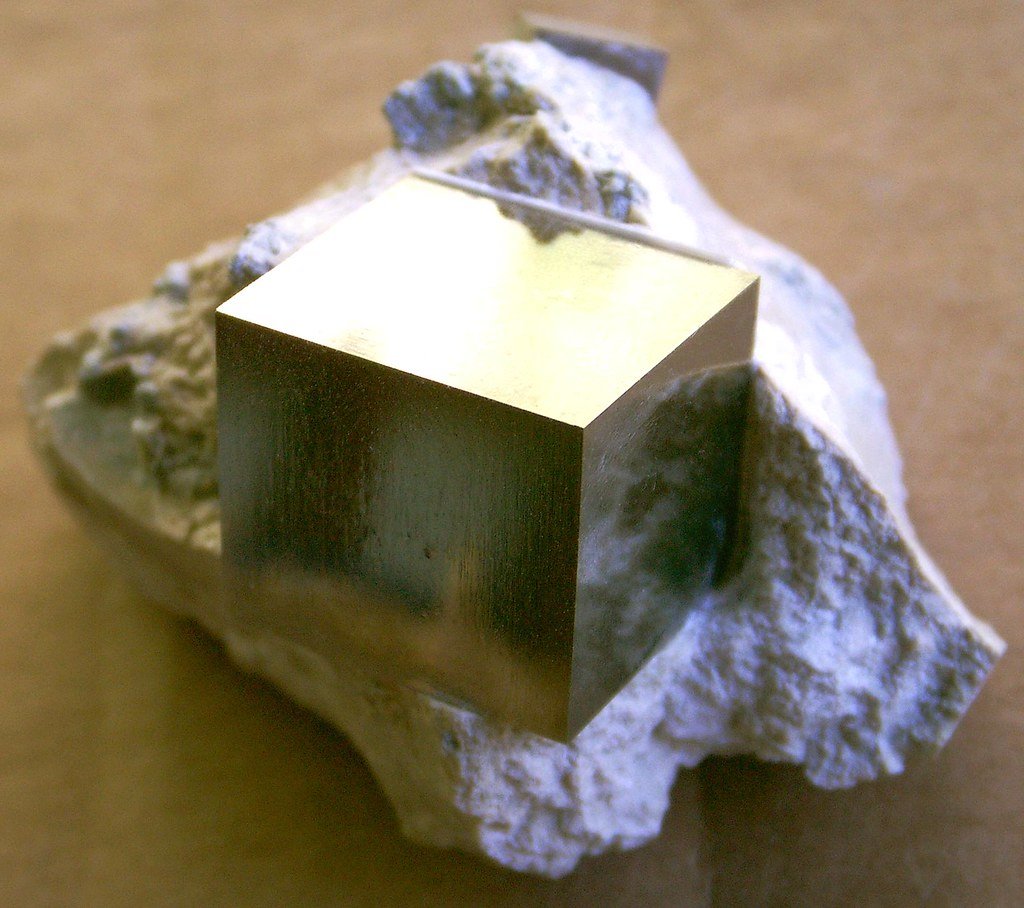
Imagine a tiny crystal construction worker stacking perfect little boxes—that’s a cubic crystal structure. These crystals have sides that are all equal, forming a cube shape. It’s like a tiny crystal city made of building blocks.
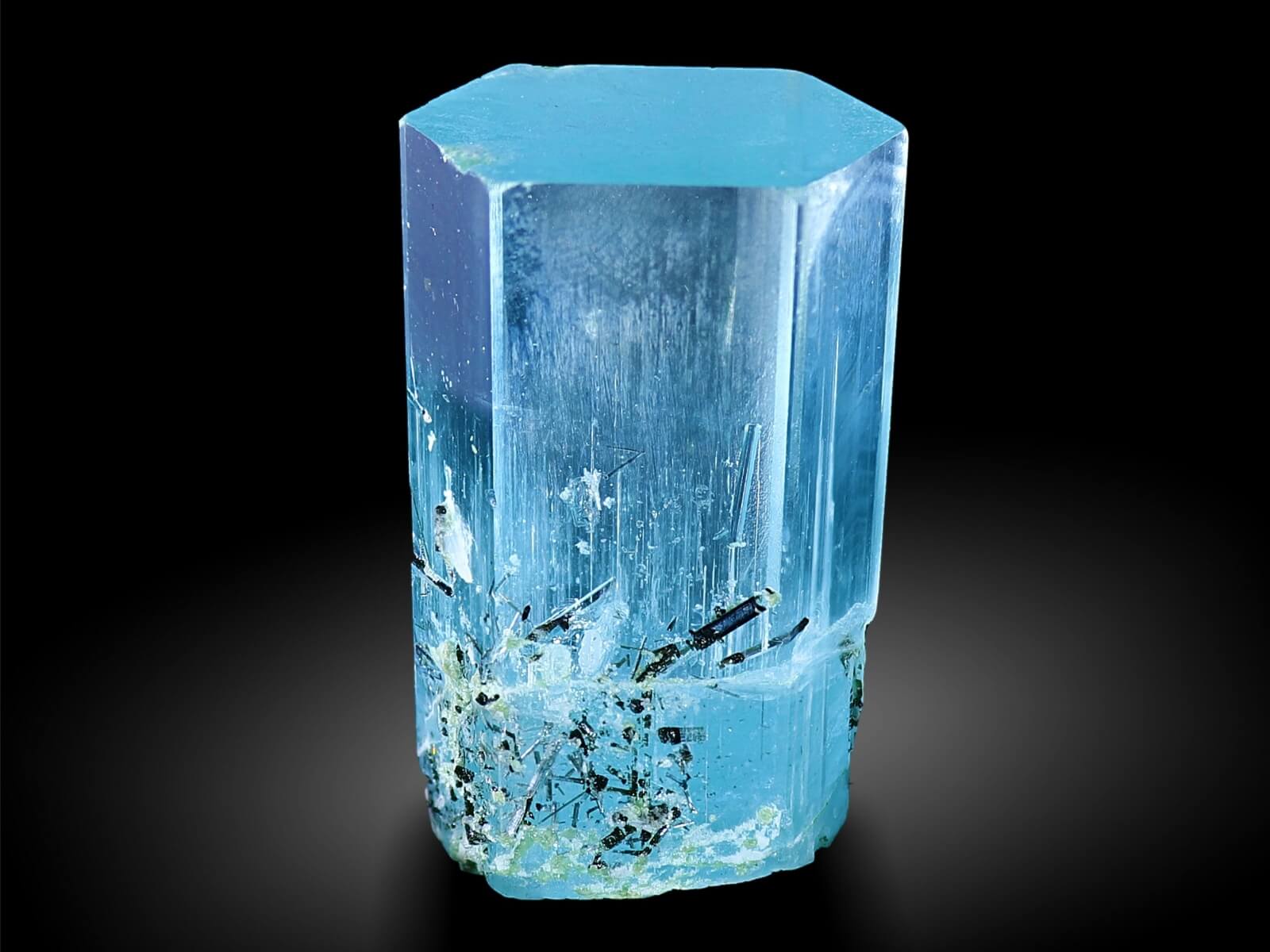
Hexagonal crystals are nature’s honeycomb, with six sides like a bee’s dwelling. Picture a hexagon, and you’ve got the basic idea. These crystals often have a mesmerizing symmetry, like a beehive buzzing with order.
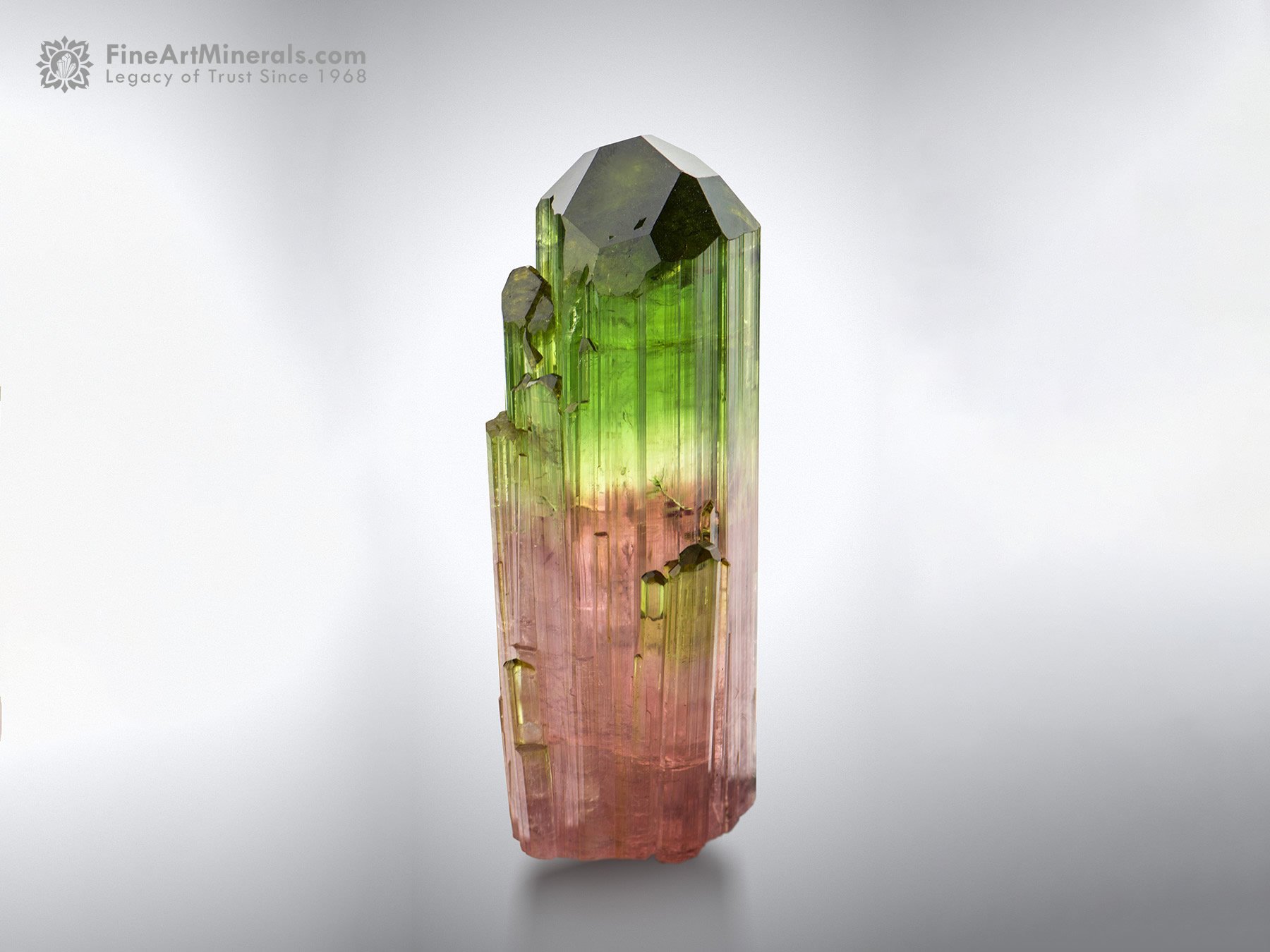
Orthorhombic crystals are like abstract artists, creating shapes without the strict order of cubes or hexagons. Their sides might be different lengths, giving them a more relaxed and artistic vibe. It’s as if each crystal is a unique masterpiece.
Crystals come in a vast family, each with its own unique charm. Let’s get acquainted with a few members of the crystal crew: Quartz, Aquamarine, Tourmaline, Topaz, and Garnet.
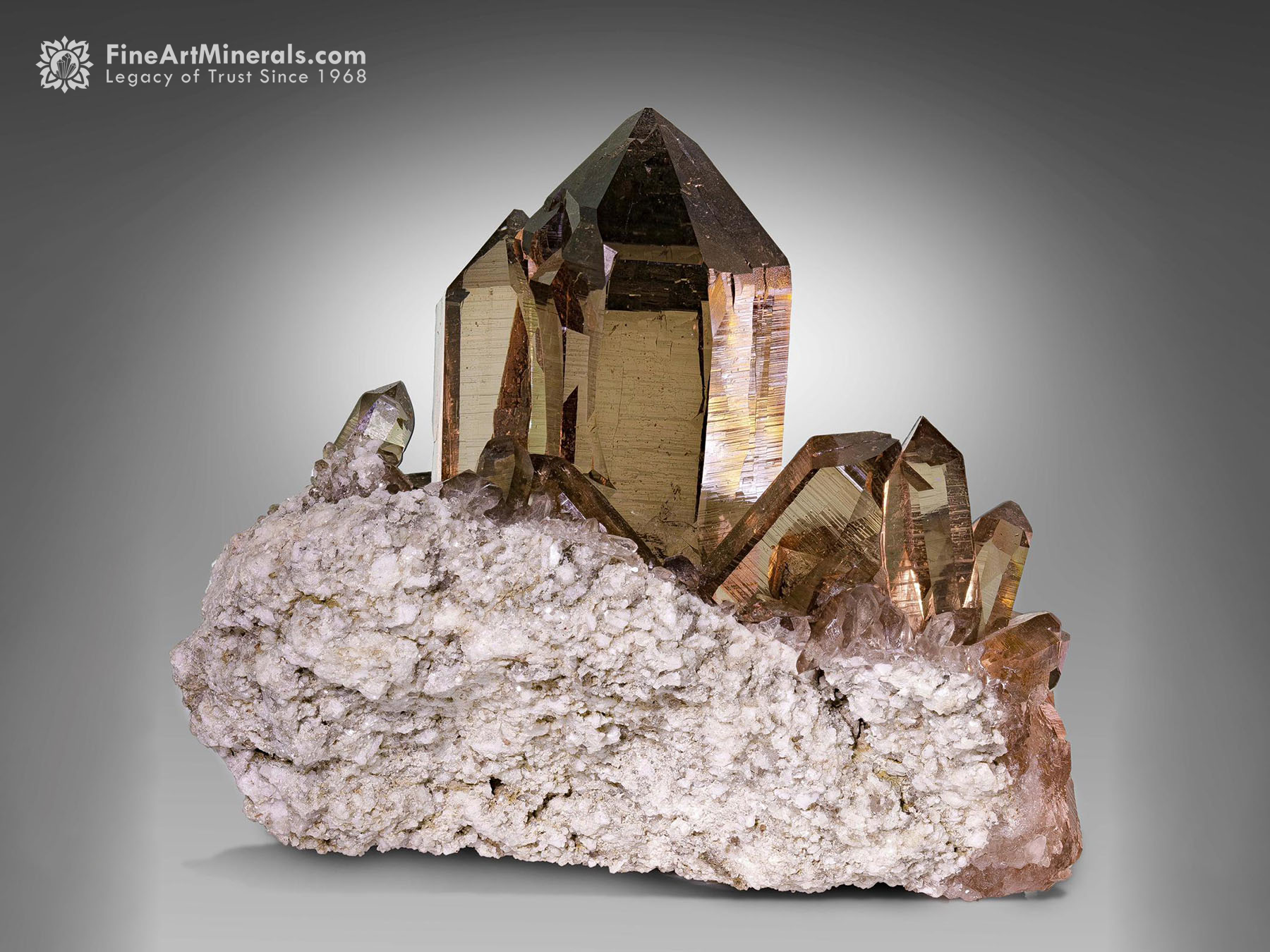
Think of quartz as the superhero of crystals—it’s everywhere and comes in many forms. Clear quartz is like a see-through guardian, while rose quartz blushes in delicate pinks.
Smoky quartz adds a touch of mystery with its darker hues. Quartz crystals are like friendly neighbors in the crystal community.
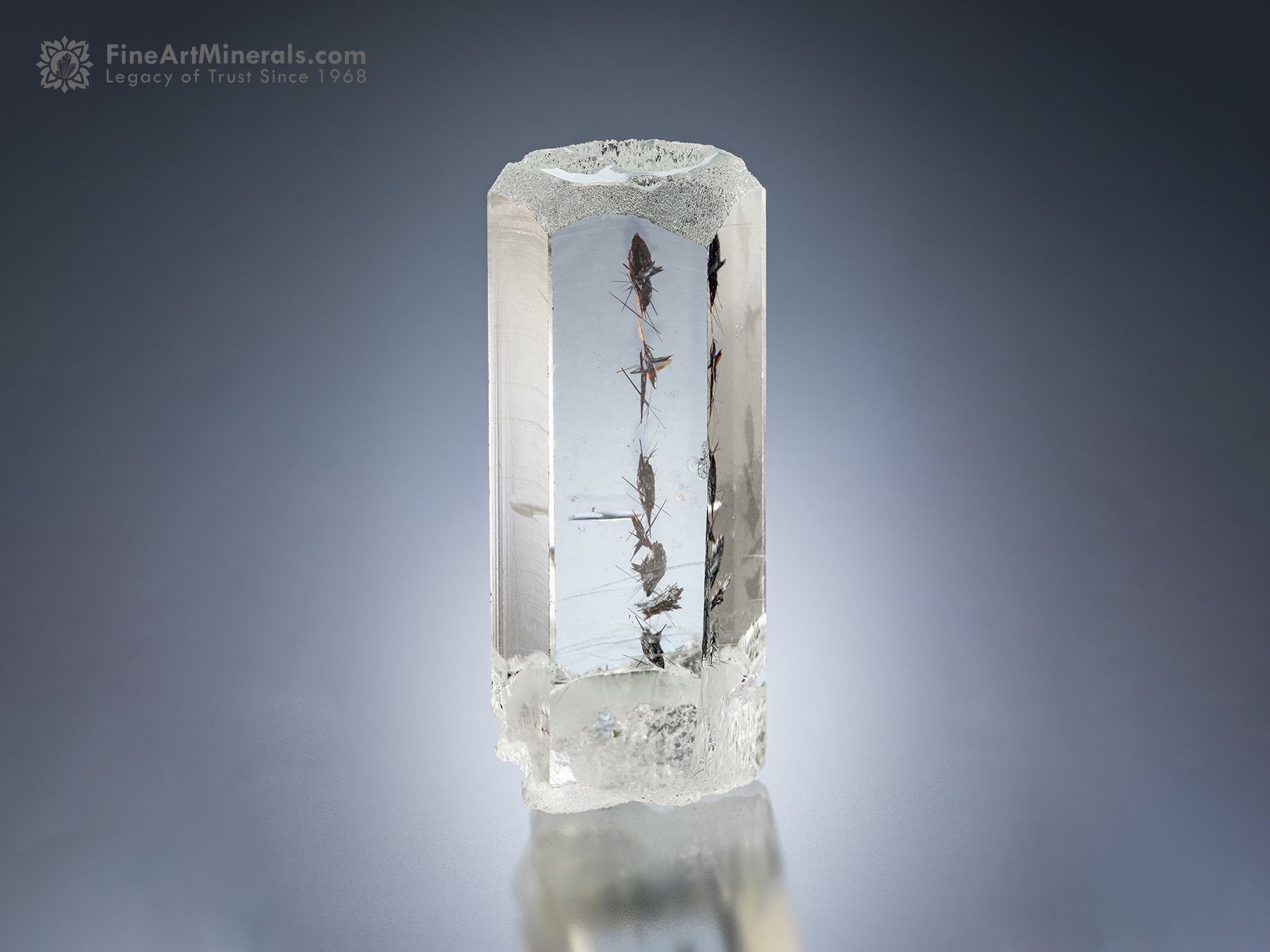
Aquamarine is like a piece of the ocean captured in crystal form. Its name even means “water of the sea” in Latin. Picture a crystal-clear blue, like the sky meeting the ocean on a calm day. Aquamarine crystals are the cool, calming members of the crystal family.
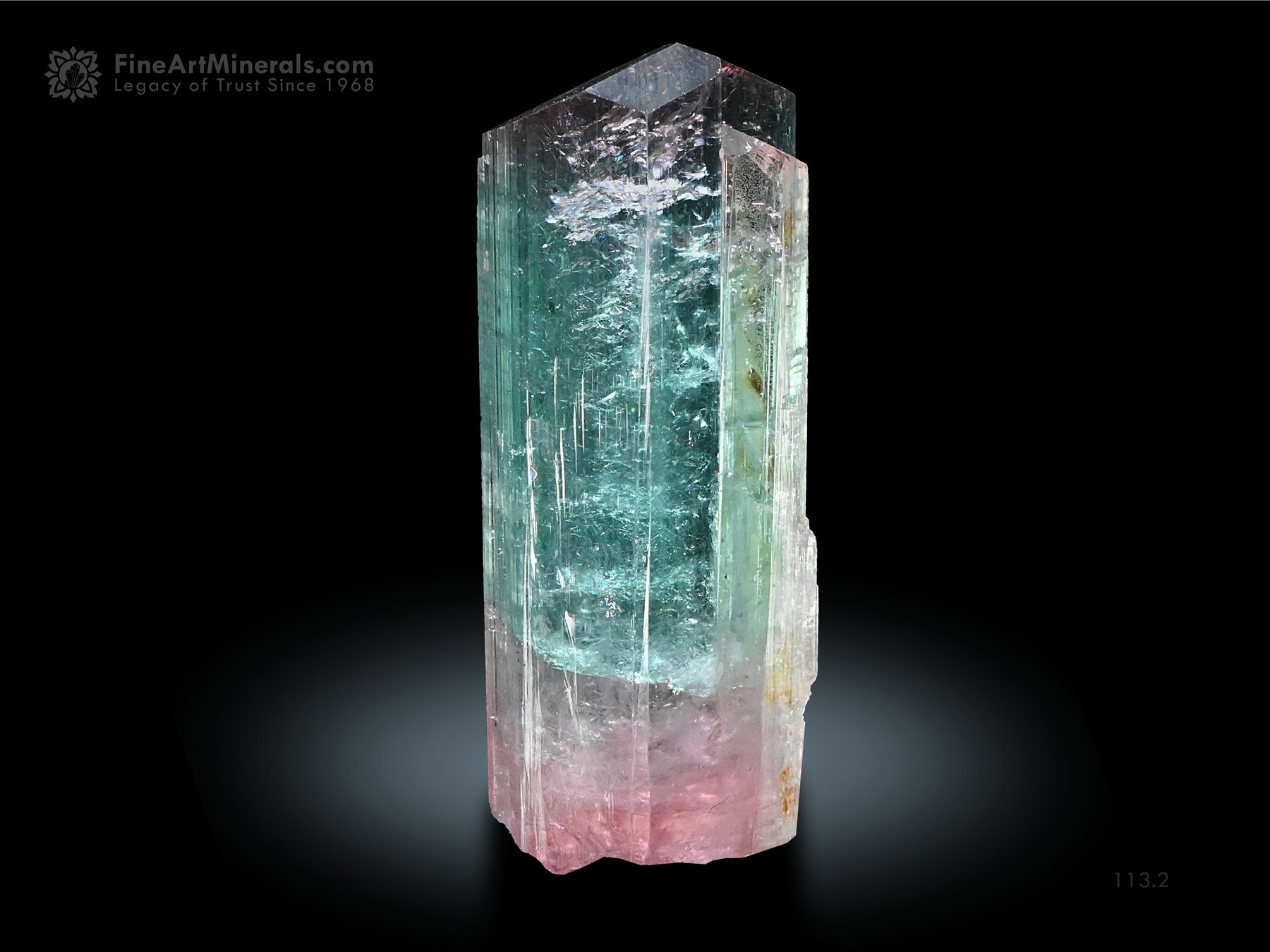
Tourmaline is a bit like a wandering artist, displaying a range of colors. Imagine a crystal that could be pink, green, or even black. Tourmaline is that colorful adventurer, bringing a playful spirit to the crystal party.
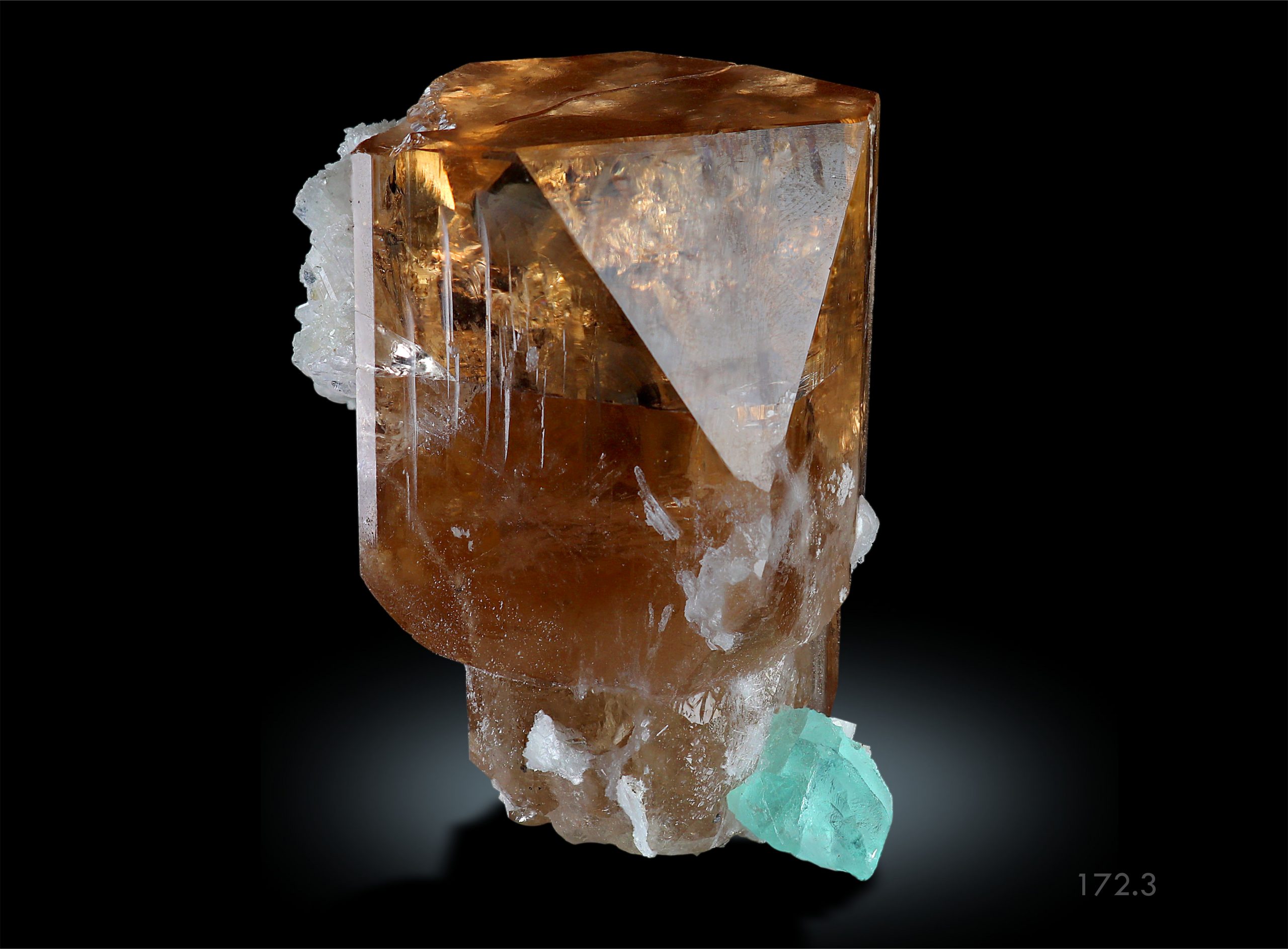
Topaz is like a burst of sunshine in crystal form. Picture warm, golden hues that can range from light to deep amber. Topaz crystals bring a touch of warmth and radiance to the crystal family, standing out with their vibrant glow.
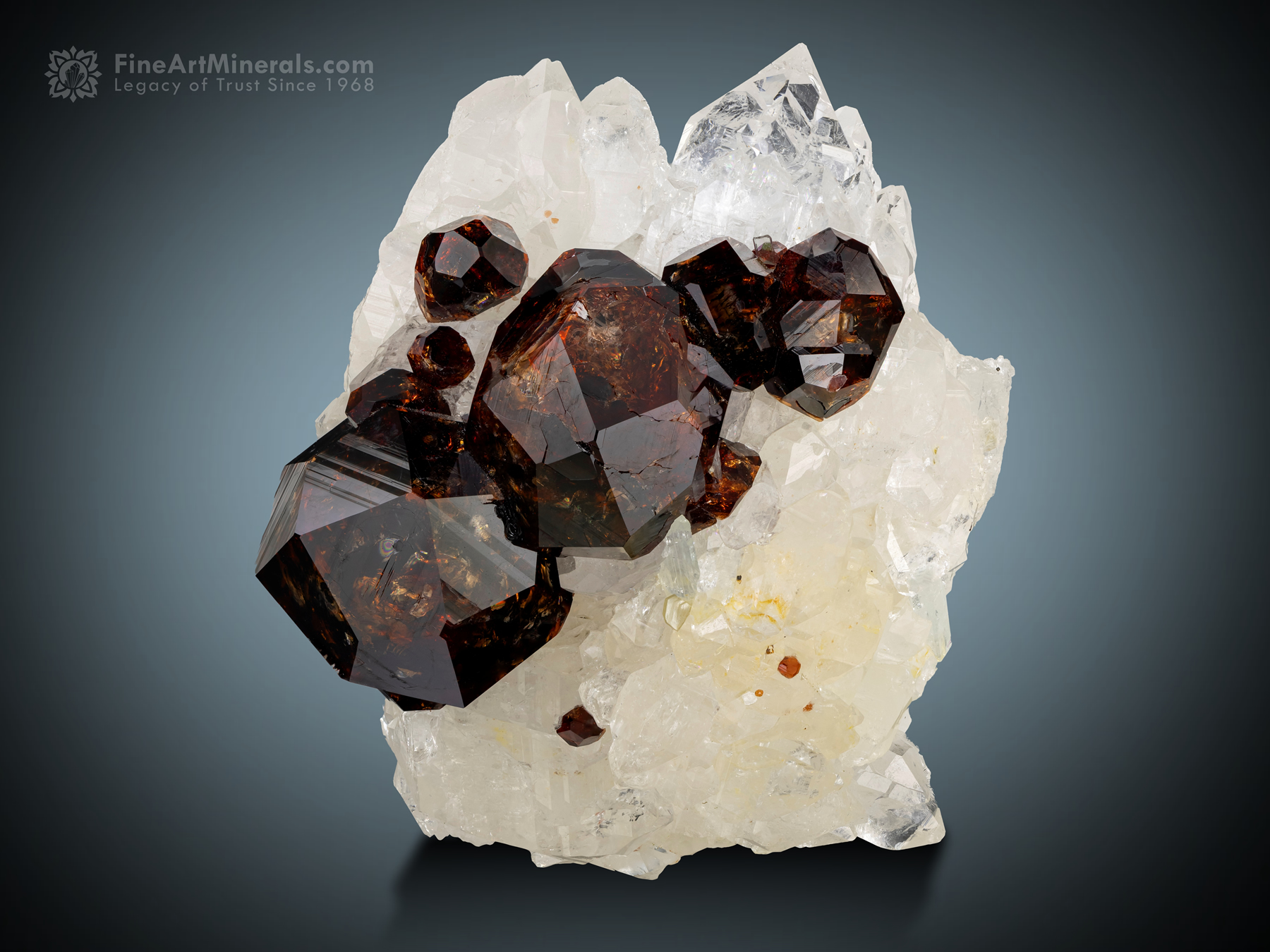
Garnet is a bold and beautiful member, showcasing deep red tones. It’s like a gem straight from a fairy tale, with a rich, velvety color. Garnet crystals add a touch of drama and elegance to the crystal ensemble.
As a beginner exploring the world of crystals, it’s important not only to appreciate their beauty but also to understand how to care for them.
Proper crystal care ensures their longevity and enhances their energetic properties. In this section, we’ll share some simple yet valuable tips on how to care for your crystals, including storing them properly and preventing damage.
Regularly cleansing and charging your crystals is essential as they absorb energy from their surroundings. Here are two effective methods:
Place your crystal under running water or soak it in a bowl of purified water. Visualize any negative or stagnant energy being washed away. Pat dry gently afterward.
Expose your crystals to natural light, either in sunlight or moonlight, for several hours. This helps recharge their natural vibrational energy.
Note: Some crystals are sensitive to water or sunlight; always research the specific requirements of each crystal before cleansing or charging.
To maintain the quality of your crystals, proper storage is crucial. Consider the following tips:
Wrap each crystal in soft fabric or place them inside individual pouches made from natural materials like cotton or silk to prevent scratching.
Store different types of crystals separately to avoid any potential interactions that may alter their energies.
Keep protective stones like Clear Quartz nearby, as they can help cleanse and protect other crystals when stored together.
Crystals may have delicate structures and can be easily damaged if mishandled. Follow these guidelines when handling your precious treasures:
Avoid dropping or roughly handling your crystals to prevent them from chipping or breaking.
Before touching your crystals, wash your hands to remove any oils or dirt that may transfer onto them.
When working with small or delicate crystals, use soft brushes or bamboo sticks instead of metal tools to prevent scratching.
By practicing proper care and maintenance, you can ensure that your crystals remain energetically vibrant and visually stunning for years to come.
Respect their natural beauty, handle them with care, and remember to cleanse and charge them regularly.
Crystals have been used for centuries for their healing and energizing properties. Incorporating them into your daily life can be both enjoyable and beneficial.
we’ll explore different ways you can use crystals, whether it’s wearing them as jewelry or strategically placing them in specific areas of your home.
Wearing crystals as jewelry not only enhances your style but also allows for a constant connection with your energy throughout the day. Consider these options:
Choose a crystal necklace or pendant that resonates with your intentions or desired energies. This way, the stone rests close to your heart, radiating its benefits throughout the day.
Adorn your wrists with crystal bracelets that align with specific goals or intentions you wish to manifest. You can stack multiple bracelets or choose one powerful crystal as a focal piece.
Don’t overlook the power of crystal rings and earrings! These smaller pieces still offer energetic support while adding a touch of elegance to any outfit.
Crystals are not just confined to jewelry and fashion; they also play a role in home decor. From crystal chandeliers casting dazzling light to geode bookends adding a touch of nature to a bookshelf, crystals enhance the aesthetics of living spaces.
Their natural beauty and varied colors make them versatile accents for interior design.
And there you have it—a journey through the mesmerizing world of crystals! From their fascinating geological origins to their diverse uses in our daily lives, crystals are truly nature’s enchanting gems.
In our guide, we started by peeking into the deep Earth, where crystals are born through a magical mix of minerals, heat, and time.
We explored their unique structures, each crystal a masterpiece of nature’s artistry, whether in a perfect cube, a hexagonal wonder, or an abstract marvel.
But crystals aren’t just for looking at—they’re practical, too! They sparkle in our jewelry, shine on the runways of fashion, and even help us keep time in our gadgets. Crystals add a touch of nature to our homes, from crystal chandeliers to geode bookends.
So, here we are, at the end of our beginner’s guide. The world of crystals is vast and full of surprises. Whether you’re admiring their beauty in jewelry, incorporating them into your fashion, or benefiting from their practical uses, crystals are a unique and integral part of our world.
So, this is the complete A Beginner’s Guide of Crystals, I hope you have gone through it. If you have any kind of questions or suggestions, feel free to ask in the comment section below:
Or
If you want any kind of minerals and gemstones you can Contact Us.
Thank you for Reading.
No account yet?
Create an Account